
Upgrading Plumbing Systems With Whole-Home Repiping
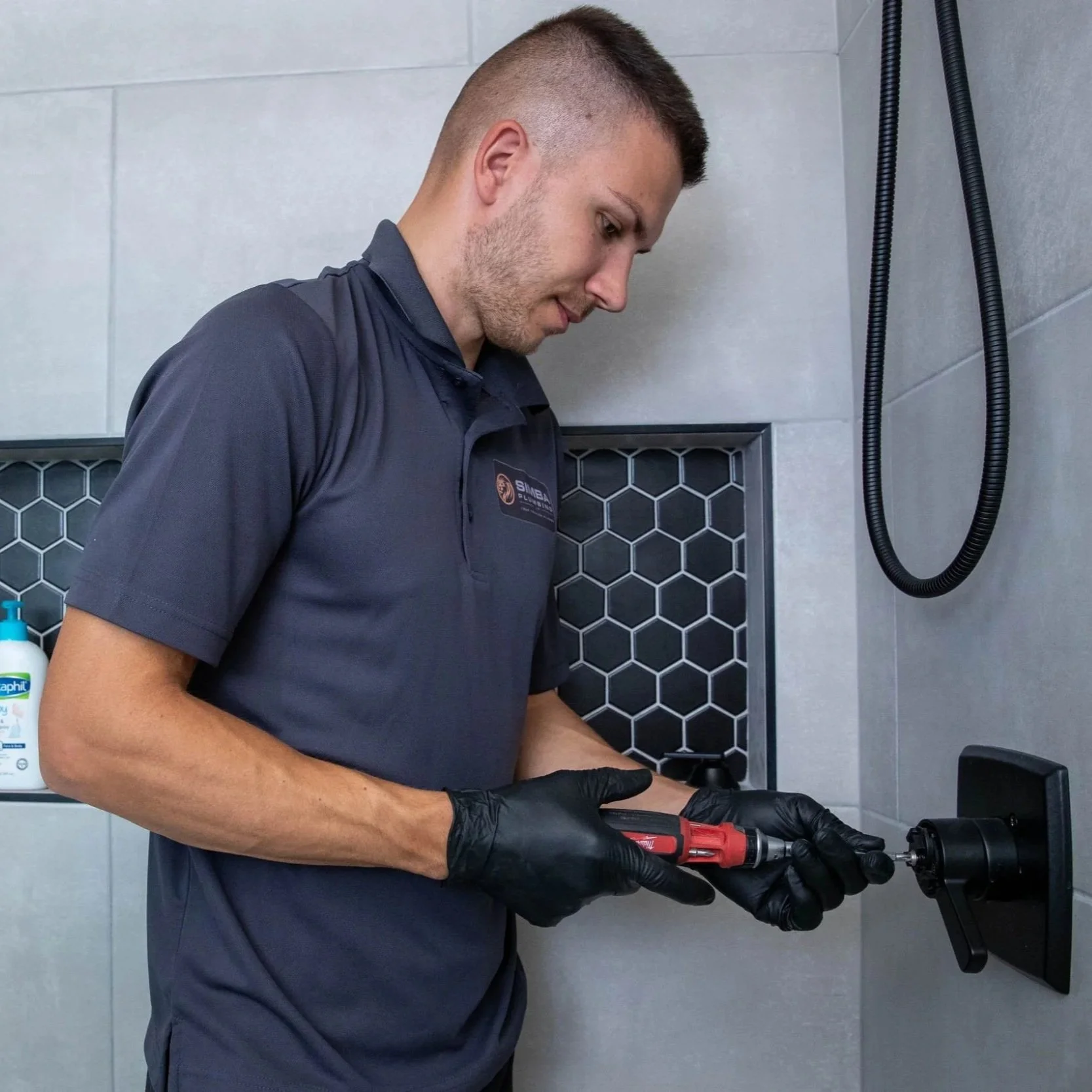
Pipes are the veins of a home, carrying fresh water in and whisking wastewater out.
A home's plumbing might not have the glamor of a granite countertop or the appeal of a high-tech fridge that tells you when your milk expires, but it plays a far more vital role. Pipes are the veins of a home, carrying fresh water in and whisking wastewater out. And just like veins, when those pipes start to falter, problems multiply fast. That's where whole-home repiping steps into the spotlight, wearing a metaphorical cape and carrying a toolbox.
Understanding The Lifespan Of Plumbing Materials
Plumbing isn't eternal. In fact, many materials used in older homes—think galvanized steel or polybutylene—have a reputation for reaching their expiration date far too soon. Galvanized pipes tend to corrode from the inside out, secretly becoming narrower with each passing year until water pressure drops and rusty sediment sneaks into the tap water. Polybutylene pipes, on the other hand, have a knack for giving up completely under pressure, especially after long-term exposure to chlorine.
Copper, PEX, and CPVC all offer modern alternatives with much greater longevity, reliability, and corrosion resistance. But replacing an entire home's plumbing system isn't just about swapping materials. It's about restoring peace of mind, avoiding future catastrophes, and, quite frankly, making your home a lot less noisy and temperamental.
Signs Your Plumbing Might Be Begging For A Break
Water should be heard only when it's supposed to be. If the pipes groan, rattle, or sound like they're reenacting a horror movie soundtrack, there may be trouble. Inconsistent water pressure, rust-colored water, and recurring leaks are like the three stooges of a failing plumbing system. Each one is annoying on its own, but together they create a symphony of household frustration.
Those little pinhole leaks? They don't just fix themselves. Left unchecked, they invite mold, rot, and expensive repairs. And no one invited those guests. Homeowners who deal with repeated leaks in different areas or find themselves patching up pipes every few months are typically staring down a system-wide issue. Patchwork can only go so far before the whole outfit starts unraveling.
The Real Cost Of Doing Nothing
Delaying repiping might feel like saving money in the short term, but it's a budget boomerang. You toss a few dollars at temporary fixes, and they keep circling back, adding new problems. Replacing drywall, mopping up leaks, and sanitizing after water damage can quickly exceed the cost of new pipes. There's also the sneaky increase in your water bill when leaks hide behind walls and beneath floors, quietly sipping your water supply around the clock.
And let's not forget about home value. Old plumbing systems tend to make home inspectors twitchy. Potential buyers love the phrase "newly repiped" because it means fewer surprises and fewer emergency plumbing bills once they move in. If you're ever thinking of selling, that upgrade may just win over the hearts (and wallets) of cautious home shoppers.
What Whole-Home Repiping Actually Involves
The phrase "whole-home repiping" can sound dramatic, as if it involves bulldozers and wrecking balls. In reality, professional plumbers approach it like a precise operation. There's planning, strategic access points, and minimal disruption—no need to evacuate or pitch a tent in the yard.
Once the water supply is shut off and a map of your current system is drawn up, the team identifies where to make incisions. These aren't random gashes through the walls—they're careful, calculated openings. Pipes are replaced section by section, usually with a far more resilient material like PEX or copper, both of which laugh in the face of corrosion and temperature swings.
After installation, pressure testing takes place to catch any issues before sealing things up. Drywall patches follow, and before you know it, the walls look as good as new. The plumbing? Even better than new.
Choosing The Right Material For Repiping
PEX piping has earned its place as the reigning champ in many repiping projects. It's flexible, resistant to freezing, and not easily intimidated by minerals in the water. Plus, it's usually quicker to install because its bendiness lets plumbers weave it through your home like a pasta artist with a vision.
Copper, while more expensive, has a long-standing reputation for durability and resistance to bacterial growth. Some homeowners prefer it for its clean taste and proven track record. CPVC is also an option, offering a budget-friendly route, but it lacks the flexibility and longevity of PEX or copper.
A skilled professional will help select the material that best fits the home's architecture, climate, water conditions, and budget. It's never a one-size-fits-all affair. It's more like choosing a plumbing soulmate.
How Repiping Enhances Water Quality And Performance
Fresh plumbing doesn't just solve problems—it actively improves daily life. Imagine turning on a shower and experiencing real water pressure, not a gentle drizzle that feels like a lazy sprinkler. Or filling a pot for pasta in half the time. Or no longer fretting that your washing machine will backflow into the sink again.
Old pipes are notorious for depositing unwanted minerals, rust, and sediment into your water. New pipes eliminate that unpleasant flavor profile, turning the tap into a reliable source for drinking, cooking, and brushing teeth without the aftertaste of mystery metal.
Fewer leaks also mean fewer chances for bacteria to grow and mold to develop. For families with allergies or respiratory issues, that's more than a win—it's practically a celebration.
The Hidden Perks Of Professional Repiping
Besides the obvious advantages, such as leak prevention and improved water quality, whole-home repiping often comes with unexpected perks. Reduced plumbing noise ranks high on that list. New pipes don't clang or bang around in the walls like percussionists on a caffeine high. That means fewer three a.m. wake-up calls from your plumbing orchestra.
Modern layouts also allow plumbers to streamline water delivery. That means faster hot water, fewer temperature fluctuations, and possibly even a more efficient water heater. Your water-using appliances may start performing better just because they're no longer working against outdated pipes. It's like switching from dial-up to fiber internet, but for plumbing.
Repiping: A Long-Term Investment With Lasting Results
Investing in whole-home repiping isn't about instant gratification. It's about building a foundation for a better-functioning home. It's the sort of upgrade that quietly pays off year after year—through lower maintenance costs, improved efficiency, and fewer plumbing-induced headaches.
It also offers a degree of reliability that's hard to match. You don't think about your plumbing every day, and with a freshly repiped system, you won't need to. You'll simply enjoy the perks of a home that behaves the way it's supposed to.
Why The DIY Route Won't Cut It
While home improvement shows make swinging a hammer look therapeutic, plumbing doesn't play well with amateur enthusiasm. Repiping involves code requirements, permits, pressure testing, and years of technical experience. It's not the place for improvisation or YouTube tutorials.
Professional plumbers come with tools, training, and a healthy respect for the laws of physics. They've seen every curveball a house can throw, from decades-old pipe configurations to mystery leaks that make zero sense until the wall is opened. Hiring experienced pros means fewer surprises and a job done right the first time.
Timing The Upgrade To Maximize Convenience
The best time to repipe isn't when the ceiling is dripping, and your kitchen floor resembles a pond. The ideal moment is during home renovations or when other projects are already on the horizon. Plumbing work often pairs well with remodeling, allowing access behind walls and under floors that would otherwise remain closed off.
Scheduling during milder seasons—spring or fall—can also make the process smoother, especially if parts of the water system need to be temporarily offline. Plus, repiping during these times helps avoid peak demand, which can sometimes mean quicker scheduling and better availability.
Peace Of Mind Delivered In Copper Or PEX
Whole-home repiping might sound like a major endeavor, but it often brings more comfort and satisfaction than flashier upgrades. It's the kind of project that works behind the scenes, quietly improving everything from your morning shower to your dishwasher's rinse cycle.
No more worrying about mysterious drips, rust-tinted water, or sudden pressure drops when someone flushes the toilet mid-shampoo. Instead, there's confidence. Confidence that your plumbing can handle whatever the household throws at it—without leaks, bursts, or surprises.
That's the magic of a full plumbing refresh. It may not wear a tuxedo or twinkle like a chandelier, but it delivers the quiet reliability every home deserves. And that, frankly, makes it a star in its own right.
Get comprehensive residential plumbing solutions, including repiping, hydrojetting, sewer camera inspections, sewer line locating, plumbing remodels, backflow prevention installation, and backflow repair services in Phoenix with Simba Plumbing. Our skilled and licensed plumbers have a reputation for providing meticulous services with an attention to detail. Customer satisfaction is our priority. 24/7 emergency services available. Call today.
