
Protecting Basements With Sump Pump Services
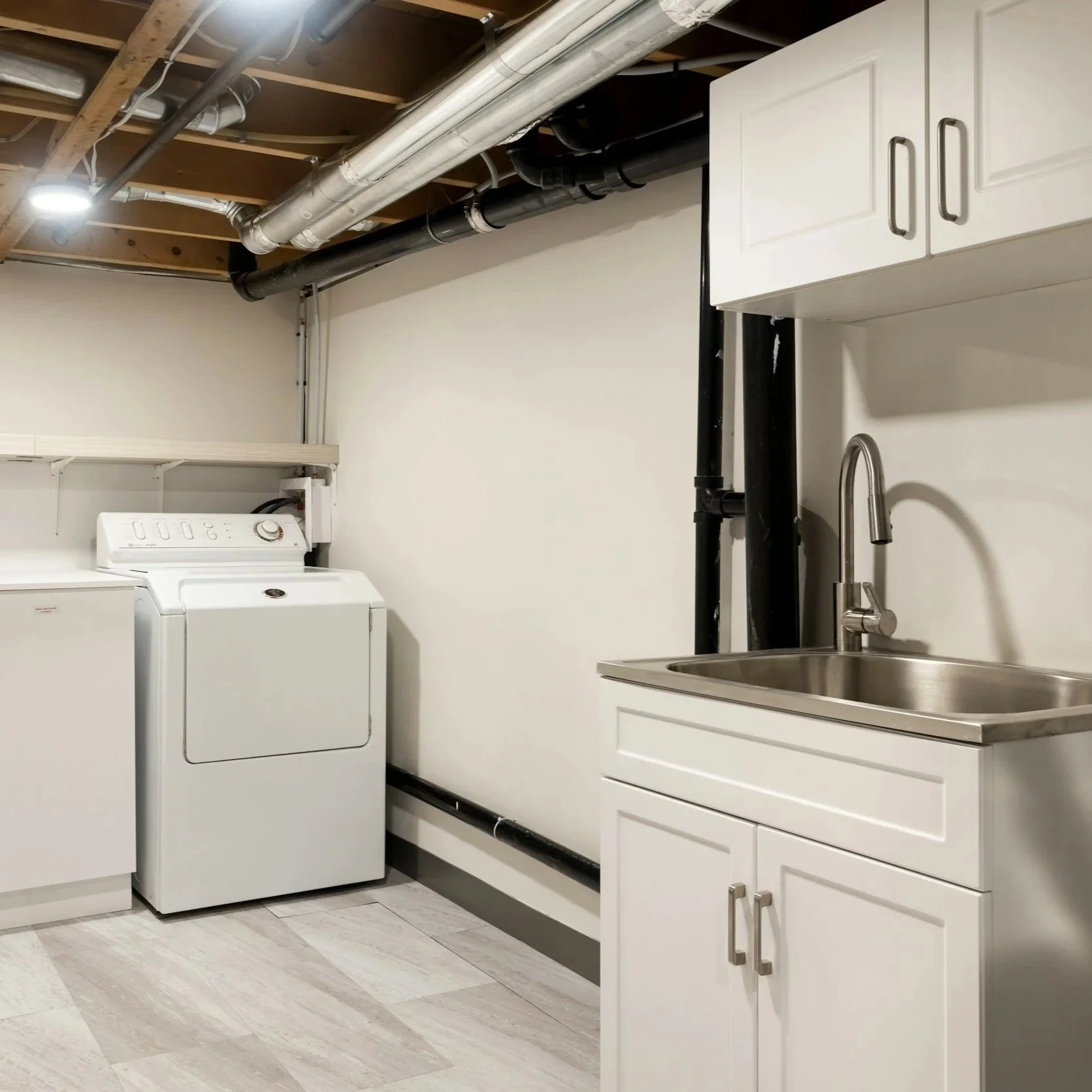
Water finds its way in through the smallest cracks, sneaking past sealants and causing problems that go beyond a puddle.
Basements are a lot like that quiet cousin at a family reunion—out of sight, out of mind, and then suddenly causing chaos when you least expect it. Between ground moisture, high water tables, and heavy rainfall, basements have a habit of collecting water as if it were their part-time job. Even in homes with solid foundations, the surrounding soil doesn’t always play fair. Water finds its way in through the smallest cracks, sneaking past sealants and causing problems that go beyond a puddle.
Once water enters, it’s not just an inconvenience. Wet basements invite mold, mildew, wood rot, and electrical hazards. Furniture can warp, drywall can buckle, and floor tiles can peel like they’re trying to escape. Even worse, persistent dampness creates the kind of humid environment pests love. Nobody wants a silverfish spa or a centipede community center growing underneath their living room.
Sump Pumps: The Unsung Heroes Of Dry Foundations
A sump pump doesn’t come with a cape, but it absolutely plays the superhero role for homes prone to basement flooding. These compact machines sit in a sump pit—usually installed at the lowest point of the basement floor—and their sole mission is to remove water before it becomes a problem. When the pit begins to fill, the pump activates and redirects the water away from the home’s foundation. Just like that, the flood threat is neutralized.
Sump pumps work quietly behind the scenes, operating automatically in most cases. But despite their humble appearance and minimal attention, they deserve more credit. Without a functioning sump system, many homes would have indoor ponds, unwanted waterfalls, and an assortment of basement woes that keep restoration companies in business.
Why Professional Sump Pump Installation Makes All The Difference
Installing a sump pump may seem straightforward in theory. Dig a hole, drop in the pump, and let it do its thing. In reality, it’s a bit more complex. A proper installation involves assessing the natural drainage of the property, choosing the right pump size, creating an effective discharge route, and possibly integrating a backup system in case of power failure.
Professional installers don’t rely on guesswork. They evaluate soil saturation, foundation layout, and elevation to place the sump pit in the optimal location. Incorrect placement leads to an overwhelmed pump that kicks on too frequently—or worse, not frequently enough. That kind of misstep shortens the pump’s lifespan and leaves the home vulnerable when the next storm hits.
Then there’s the matter of the discharge line. Water removed by the pump has to travel somewhere, and it shouldn’t be anywhere near the foundation. Professionals route this piping to drain zones that comply with local codes, slope away properly, and avoid freezing in cold weather. A poorly placed discharge can actually recycle water back into the basement like a cruel joke.
Choosing The Right Pump For The Right Basement
There are different types of sump pumps, and the right option depends on the specific characteristics of the home. Submersible pumps sit underwater in the sump pit and are generally quieter, making them a favorite for finished basements. Pedestal pumps keep the motor above water level, which can make maintenance easier and extend motor life in the right conditions.
Professional teams will factor in basement size, flood risk, pump usage frequency, and even noise tolerance before selecting a model. An oversized pump may cycle too often, wasting energy and wearing itself out. An undersized one might struggle to keep up during heavy rain. It's not a “one size fits all” scenario, and that's where experience counts.
Battery backups are another point of conversation. When heavy storms knock out power, sump pumps become useless without a backup plan. A well-installed battery backup system kicks in automatically when the power fails, protecting the home at its most vulnerable moment. Some systems even include alarms or smart features that send alerts when action is needed.
Sump Pump Maintenance Is Not Just For The Paranoid
Like any machine that works quietly in a corner, sump pumps rarely draw attention—until they stop working. Regular maintenance keeps them performing well, especially during storm season. Professionals recommend checking the pump at least twice a year, generally in the spring and fall, though more frequent checks are smart in flood-prone areas.
During a maintenance visit, a technician will test the float switch, clear the intake screen, inspect electrical connections, and run the pump to confirm proper function. Sediment, debris, and mineral buildup can silently clog systems over time, especially in areas with hard water. Without routine maintenance, a pump may fail during the one event when it's absolutely needed.
A maintenance visit may also include testing the backup system, inspecting discharge lines for blockage or freezing, and confirming that the check valve—designed to keep water from flowing backward—remains in good shape. These visits aren’t just preventative. They help extend the life of the system and keep minor issues from turning into major repairs.
Warning Signs That A Sump Pump Might Be In Trouble
Homeowners don’t always know what to look for when a sump pump starts underperforming. That’s understandable, considering most people aren’t lurking in the basement watching the pit. Still, a few red flags can signal the need for immediate professional attention.
Unusual noises during operation often indicate worn bearings or debris caught in the impeller. If the pump starts running constantly or cycles irregularly, the float switch could be stuck, or the system might be overwhelmed. A pump that doesn’t activate at all may have an electrical issue, a burned-out motor, or a clog somewhere in the system.
Puddles near the sump pit or water staining on the basement walls can also be warning signs. Any noticeable shift in how the basement smells—particularly musty or earthy odors—could suggest slow, consistent moisture intrusion. A professional technician will trace the cause and offer a solution that actually addresses the source of the issue.
Why Professional Repairs Are Worth Every Penny
Sump pump repair isn’t just about getting the pump back online. It’s about diagnosing the cause of the failure and fixing it in a way that prevents future problems. A technician might discover that the pit was never deep enough to begin with, or that the float switch is catching on the pit wall. They might also find signs of short-cycling caused by improper sizing or notice corrosion on electrical contacts that’s interfering with power flow.
A good repair professional won’t stop at swapping out parts. They’ll assess the entire system and consider upgrades if they spot components that no longer meet modern standards. That could mean replacing a tired check valve, resizing the discharge line, or installing a secondary pump to handle peak loads.
Unlike DIY fixes, professional repairs come with expertise and real-world experience. That makes a difference when the forecast looks ominous, and the basement’s dry status hangs in the balance.
The Importance Of Reliable Sump Pump Systems In Real Life
Water doesn’t knock politely before entering a basement. It arrives uninvited, spreads without shame, and destroys without hesitation. That’s why sump pump systems matter—not just for homes with visible flooding but for any property at risk due to geography, soil conditions, or unpredictable weather.
Professionals design these systems to protect a home’s structural integrity, preserve its value, and spare homeowners from expensive cleanups. Sump pumps might not sparkle like granite countertops or stainless steel appliances, but when disaster strikes, they’re the ones doing the heavy lifting.
Homeowners who invest in proper sump pump services are often the ones who sleep soundly during rainstorms. Their basements stay dry. Their air smells clean. Their drywall stays upright. And their floors don’t squish when walked on.
Knowing When To Upgrade Instead Of Repair
As sump pumps age, they become less efficient. Motors wear down, parts corrode, and technology improves. In some cases, the smartest move isn’t repairing an old pump for the fifth time—it’s replacing it with a newer, more capable model.
A professional technician can guide homeowners through the upgrade process, explaining what has changed in sump pump technology and why it matters. From quieter motors and improved energy efficiency to advanced monitoring features, modern systems offer more than just reliability. They provide peace of mind, especially when combined with well-designed backup systems and discharge paths that meet current standards.
An upgrade can also come with added perks. Some systems now include Wi-Fi connectivity, real-time status alerts, and integration with home automation systems. While these features aren’t mandatory, they offer an extra layer of awareness for homeowners who like knowing what’s happening in their home’s lower level—even from a distance.
Sump Pump Services Are An Investment In Confidence
A dry basement is more than a luxury. It’s a necessity for any home that wants to avoid mold, structural issues, and the kind of surprise expenses that make wallets cry. Sump pump installation and repair services provide protection from the unpredictable, backed by professional experience that doesn’t leave room for doubt.
When storms roll in and the skies open up, it's comforting to know there’s a hardworking system humming away underground, keeping the chaos outside where it belongs.
FAQs
How often should a sump pump be inspected or maintained?
Most professionals recommend checking a sump pump at least twice a year, commonly in the spring and fall before heavy rain seasons. Regular inspections help ensure the float switch, discharge line, and motor are working properly. Routine maintenance also removes debris and sediment that could clog the system. For homes in flood-prone areas, more frequent checks may be recommended to keep the system ready during severe weather.
How long does a typical sump pump last?
On average, a sump pump lasts between 7 and 10 years, depending on how often it runs and how well it is maintained. Pumps in areas with high groundwater levels may wear out faster due to frequent cycling. Regular maintenance can extend the lifespan, but aging pumps eventually become less efficient. When repairs become frequent, upgrading to a newer model is usually the better long-term solution.
What are the signs that a sump pump may need repair?
Several warning signs can indicate trouble. Unusual noises, constant cycling, failure to turn on, or visible water around the sump pit can all signal a problem. Musty odors in the basement may also suggest that moisture is building up due to poor drainage. If any of these symptoms appear, a professional inspection can help identify the issue before basement flooding occurs.
Is a battery backup sump pump really necessary?
A battery backup system is highly recommended, especially in areas that experience strong storms. Power outages often occur at the same time heavy rainfall causes groundwater levels to rise. Without electricity, a primary sump pump cannot operate. A backup battery system automatically takes over during outages, allowing the pump to continue removing water and protecting the basement when it matters most.
Can a sump pump completely prevent basement flooding?
While a sump pump greatly reduces the risk of flooding, it works best as part of a broader basement water management system. Proper installation, effective drainage around the foundation, and routine maintenance all contribute to keeping a basement dry. When installed and maintained correctly, a sump pump becomes one of the most reliable defenses against water intrusion.
Simba Plumbing is a licensed plumbing company offering, drain installation, drain cleaning, garbage disposal installation and repair, gas line install and repair, and sump pump installation and repair services to customers in Phoenix and the surrounding areas. Ours is a family-owned business providing expert services at competitive pricing. We aim to provide the best customer experience. Call today for an estimate.
