
Seamless Sink Installations For Kitchens And Bathrooms
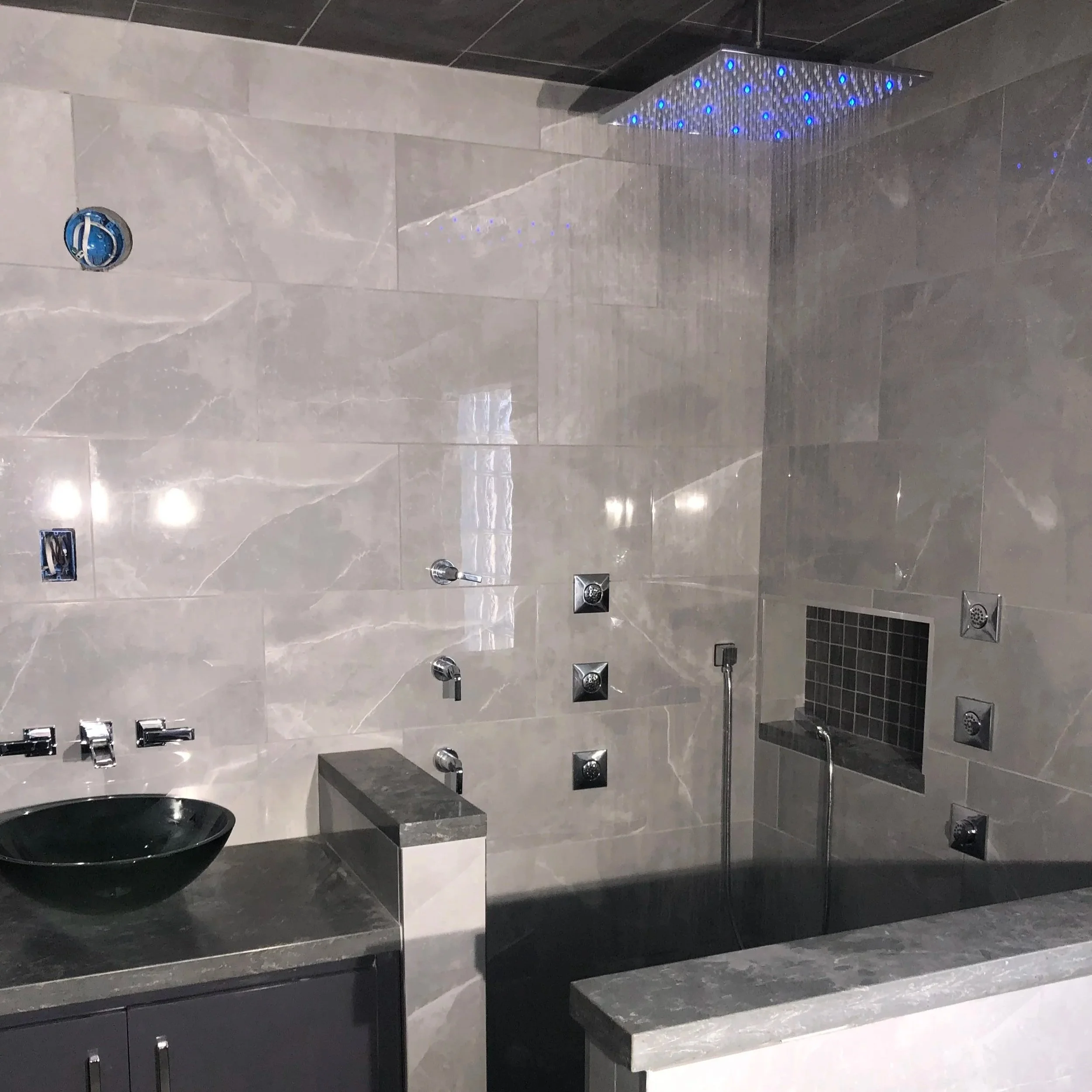
When a new sink slides perfectly into place, it upgrades the whole room.
The humble sink doesn’t always get the spotlight, but let’s face it—it’s the workhorse of both kitchens and bathrooms. It juggles hand washing, dish rinsing, makeup spills, pasta straining, and an occasional science experiment gone wrong. A sink is more than just a basin with a faucet; it’s the focal point where function meets design. A clunky installation or outdated fixture can throw off the entire vibe of a beautifully designed room, like a squeaky wheel on a luxury sports car.
When a new sink slides perfectly into place, it upgrades the whole room. A seamless sink installation elevates utility into elegance. It becomes a natural extension of the counter, not a patch job with uneven edges or wobbly connections. Done right, it feels like the sink was always meant to be there. No drama. No water stains. No weird creaks when you lean over to brush your teeth at 6:00 AM.
Function First, But Style Rides Shotgun
The temptation to prioritize form over function is strong—especially when eyeing farmhouse sinks with apron fronts or sleek undermount styles in magazine spreads. But a sink must serve the space it inhabits. In kitchens, it takes on every flavor of messy. In bathrooms, it balances water resistance with daily grooming chaos. Each setting has its own set of needs.
Professionals weigh those needs before a single fitting is touched. Sink dimensions, plumbing access, countertop material, faucet spacing, and user habits all play a role. A chef who uses the sink like a prep station needs deep bowls and sturdy mountings. A powder room sink might focus more on visual appeal and compact proportions. There’s no one-size-fits-all, which is exactly why expert input matters so much.
The goal is harmony—between sink and counter, function and flair, user and fixture. And it all starts with picking a sink that makes sense for the space. From there, the real magic begins.
It’s More Than Cutting A Hole In The Counter
Sink installation isn’t just about matching the basin to the cabinet opening. There’s a ballet of measurements, supports, water line connections, drainage slopes, sealants, and—depending on the setup—caulk work that would make a pastry chef jealous. The sink must be level. It must sit flush. And it must cooperate with the faucet, the sprayer, and that awkward soap dispenser no one asked for, but now everyone uses.
Undermount sinks, for example, involve precision. They require secure anchoring beneath the counter, flawless sealing to prevent leaks, and exact alignment so dishes don’t tip over awkwardly. Top-mounts come with their own challenges, especially when cutting new holes in granite or quartz. Drop-in options seem simple until someone accidentally installs them tilted and water starts pooling around the rim like a lazy river.
Professionals take the time to get it right the first time. They bring the tools, the know-how, and the muscle memory that comes from seeing what works—and more importantly, what doesn’t. They know how to avoid overtightening fittings (a cracked sink is nobody’s idea of a good time) and how to handle minor variations in countertop slope without panicking.
Water Wants To Travel—Keep It Contained
Water will always try to escape, and poorly installed sinks are like open invitations. One drip under the counter might not seem like a crisis, but it’s the gateway to warped cabinets, mold colonies, and that telltale smell of damp regret. Sealing and connection points must be tight, clean, and waterproof—especially in bathroom vanities where storage often surrounds the plumbing.
Every part of the installation needs to form a team: the basin, the faucet, the shut-off valves, the P-trap, and the drain flange. If one piece doesn’t cooperate, water will find the crack. Professionals know where to reinforce seals, which materials to use (silicone vs. plumber’s putty, for example), and how to test for leaks before closing everything up.
Regular testing post-installation is a smart move. Running water at full pressure and checking for signs of moisture beneath the sink gives the installer a chance to spot trouble early. It’s better to tighten something in the moment than to return weeks later because a cabinet now resembles a soggy cardboard box.
Choosing The Right Sink Material Makes A Difference
Materials matter more than most people expect. Stainless steel is the workhorse of the kitchen world—it resists stains, scratches, and heat like a champion. But not all steel is created equal. Thickness, finish, and sound-deadening padding vary widely between models. Some turn every dropped spoon into a gong show, while others handle noise like a padded recording studio.
Porcelain and fireclay lend vintage charm to kitchens and bathrooms alike, but they chip under impact and demand gentle handling. Composite granite, on the other hand, offers durability and a modern matte finish that hides fingerprints like a magician. In bathrooms, glass and ceramic reign supreme for style, but they need the right mounting system to stay intact during regular use.
Each material affects not just performance, but also the type of installation needed. Heavier sinks demand extra support. Delicate surfaces call for careful handling. Professional installers match material to the environment to avoid future frustration and premature sink-related meltdowns.
Faucet Placement Is Not Just An Afterthought
A sink without a faucet is basically a bowl with dreams. Yet many installations fail to account for faucet height, reach, and spacing until it’s too late. That results in awkward water arcs, splashes, or strained wrists while trying to angle hands just right under the stream.
Professional installers measure faucet placement relative to the basin center, backsplash height, and counter depth. They factor in lever operation space—especially in compact bathrooms where a handle can end up whacking the mirror or colliding with wall tile. In kitchens, sprayer functionality and pull-down reach matter even more.
The connection between sink and faucet should be fluid—no pun intended. Water should flow naturally, and controls should be intuitive. When it all fits together like a glove, daily routines feel smoother. And honestly, it’s fun when something as ordinary as washing hands suddenly feels satisfying.
Accessibility Isn’t Optional Anymore
More homeowners are choosing accessible designs not just for future-proofing, but for immediate ease of use. That includes thoughtful sink placement, touchless faucet options, knee clearance beneath wall-mounted basins, and lever-style controls that don’t require hand strength.
Professional installers are familiar with ADA guidelines and universal design principles. They understand how to create access without sacrificing aesthetics. A well-placed sink serves everyone, whether it’s a child learning handwashing habits or an older adult dealing with arthritis. Comfort and usability shouldn’t be afterthoughts—they should be built into the very framework of the installation.
It Pays To Think Ahead During Installation
Sink installations offer a golden opportunity to address adjacent plumbing. If the old drain line looks suspiciously corroded or the supply valves resemble relics from a time before color television, now’s the moment to upgrade. There’s no point installing a high-performance sink if the pipes beneath it whisper “retirement.”
Professionals assess surrounding components during installation. They look for signs of leaks, corrosion, sediment buildup, or poor water pressure. They also verify that venting is adequate and that everything downstream is flowing properly. No one wants to install a brand-new bathroom sink only to discover the drain has the personality of a sloth.
It’s also smart to ask about future upgrades. Thinking of switching to a garbage disposal later? Planning to add a water filter or hot water tap? Discussing those options now makes planning easier and prevents do-overs later.
Repairs Should Match The Quality Of The Original Work
When a sink starts leaking, clogging, or wobbling, the repair should be as thoughtful as the installation. Slapping on a temporary patch might stop the problem for a week, but it’s like duct-taping a leaky boat. Professionals diagnose the issue fully—whether it’s a worn-out gasket, a loose mounting bracket, or a cracked flange—and offer solutions that fix the root cause.
Sink installation and repair go hand-in-hand. A solid repair can extend the life of the fixture, but it requires care, expertise, and a little detective work. Professionals bring all three to the table, along with the right tools and materials to make the repair last.
Every repair is a chance to reassess. Is the sink still meeting the needs of the space? Are the materials aging well? Could a simple fix now prevent a major replacement later? The goal is to make every decision count—not just for the fixture, but for the people using it every day.
When The Sink Just Works, So Does Everything Else
A perfectly installed sink disappears into the background—quietly reliable, beautifully functional, and always ready for whatever life splashes its way. Whether it’s catching dishwater, shaving cream, or glitter from an enthusiastic crafting session, it handles the chaos without complaint.
Professional sink installation and repair may not be glamorous, but they’re the reason faucets flow cleanly, counters stay dry, and cabinets remain intact. When done right, the result isn’t just a good-looking fixture—it’s peace of mind in porcelain, steel, or granite form. A seamless sink setup doesn’t need a standing ovation. It just needs to work so well that no one ever stops to question it.
Practical FAQs About Kitchen And Bathroom Sink Installation
What types of sinks can be installed in kitchens and bathrooms?
Several sink styles can work depending on the space and countertop design. Common options include undermount sinks, top-mount or drop-in sinks, farmhouse sinks, and wall-mounted bathroom basins. Each type requires slightly different installation methods and support systems, and the right choice usually depends on countertop material, cabinet structure, plumbing layout, and how the sink will be used daily.
How long does a typical sink installation take?
Most standard sink installations can be completed within a few hours when plumbing connections and countertop openings are already in place. The timeline may change depending on the type of sink, countertop material, or whether plumbing adjustments are required. If pipes, shut-off valves, or drainage components need replacement, additional time ensures proper alignment and reliable performance.
What are the most durable sink materials for kitchens and bathrooms?
Stainless steel remains one of the most durable and popular materials for kitchen sinks due to its resistance to heat, stains, and impact. Composite granite also offers strong durability with a modern appearance. In bathrooms, ceramic and porcelain are common for their longevity and easy cleaning, while glass provides a distinct style with proper care.
How can leaks be prevented after a sink installation?
Preventing leaks requires careful sealing, proper drain assembly, and secure plumbing connections. Installers typically use silicone sealant or plumber’s putty to create watertight seals around the sink rim and drain components. After installation, running water at full pressure and inspecting beneath the sink helps confirm that all fittings are tight and no hidden leaks are present.
When should a sink be repaired instead of replaced?
Minor issues such as loose mounting clips, worn gaskets, or small connection leaks can often be repaired without replacing the entire sink. Replacement may be the better option if the sink is cracked, severely corroded, or no longer suits the layout or usage needs of the space. A professional evaluation can determine which solution offers the most practical long-term result.
Trust the skilled and licensed plumbers at Simba Plumbing when in need of leak detection and repair, sink installation and repair, toilet installation and repair, sewer services, and automotic shutoff valve solutions in Phoenix and the surrounding areas. Our services are affordable and our lic technicians use the latest tools to offer the best results. Call today to book a service and do not forget to ask about our special offers.
