
Advanced Technology For Accurate Leak Detection
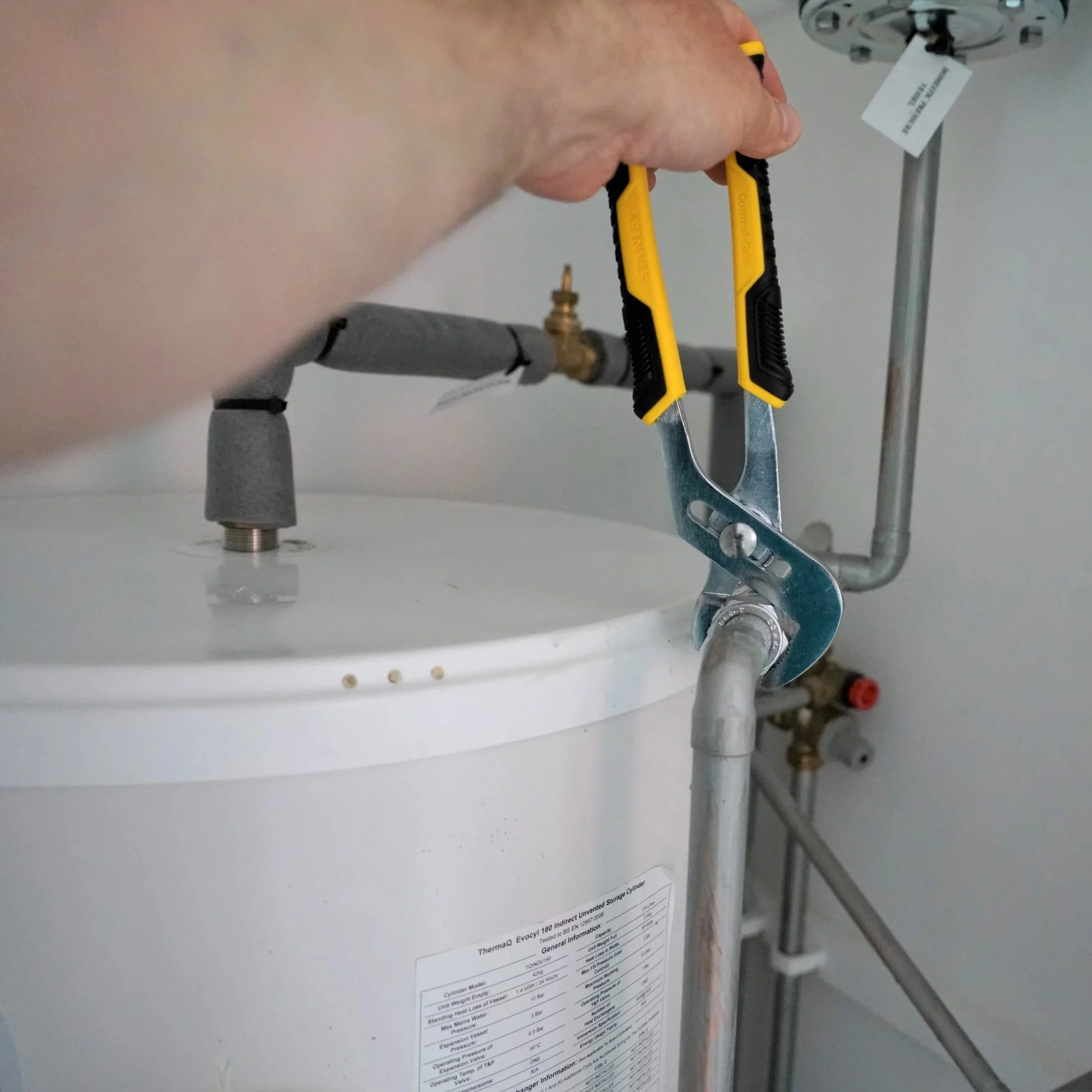
The problem is that by the time a leak announces itself loudly, it’s already done the kind of damage that makes drywall weep and bank accounts nervous.
Water leaks are like houseguests who sneak in through the back door, quietly make themselves at home, and then throw a party in the crawlspace. They start out subtle—maybe a slightly higher water bill, a soft spot in the flooring, or a faint musty smell that refuses to leave. The problem is that by the time a leak announces itself loudly, it’s already done the kind of damage that makes drywall weep and bank accounts nervous.
What makes leaks especially tricky is how good they are at hiding. Pipes run behind walls, under concrete, and through ceilings, which means a leak has a built-in cover story. Traditional leak detection often involved a lot of guesswork, some educated tapping on drywall, and a fair amount of hoping. Fortunately, the days of tearing up a floor based on a hunch are fading into history thanks to a surge in modern technology.
Technology Turns Leak Detection Into A Science
Advanced tools now allow professionals to identify leaks with surgical precision. No more speculative demolition. No more listening for drips with a stethoscope borrowed from the vet. These days, technicians have access to thermal imaging, acoustic sensors, digital moisture meters, and tracer gas systems that can pinpoint leaks like a bloodhound on a scent trail.
Thermal cameras detect temperature changes that occur when water escapes from a pipe and begins to spread. Wet areas tend to cool more rapidly than dry ones, creating a visual map of the leak’s path. That means no guessing where the moisture’s hiding—it’s laid out like an infrared crime scene.
Acoustic sensors work differently but deliver equally impressive results. They pick up the subtle sound of water escaping under pressure. The noise of a leak may be too faint for human ears, but with the right sensor, it becomes a clear signal in a sea of silence. These devices can even distinguish between different types of leaks based on the frequency of the sound.
When leaks are buried under concrete or spread across larger systems, professionals may use tracer gas. Harmless and odorless, this gas is pumped into the line and seeps out wherever a leak exists. Then, specialized detectors follow the trail, allowing technicians to identify the problem spot without breaking a single tile.
Leaks Don’t Respect Schedules Or Flooring Choices
One of the biggest challenges with leaks is their timing. They don’t wait for a slow week or show up during regular business hours. They can spring to life in the middle of the night, on a holiday, or when the in-laws are in town, and the water heater is already working overtime.
Undetected leaks can wreak havoc quickly. A dripping pipe may seem like a small nuisance, but over time it can rot structural supports, stain ceilings, or become a breeding ground for mold. Water doesn’t stay in one place. It migrates, seeps, and spreads, dragging dirt, insulation, and bacteria along for the ride. By the time the damage surfaces, the original leak might be several feet away from the visible symptoms.
That’s why fast, accurate leak detection is so critical. It limits damage, saves time, and reduces the cost of repairs. More importantly, it means homeowners aren’t stuck living with a mysterious odor or dodging a water stain that seems to change shape by the hour.
Why Professional Detection Beats DIY Guesswork
There’s a temptation to handle minor plumbing mysteries with a flashlight, a screwdriver, and a sense of determination. Unfortunately, that approach often leads to hours of confusion and a handful of mismatched wall patches. Professionals bring more than just gadgets. They bring training, experience, and the kind of troubleshooting mindset that makes complex problems look a lot simpler.
When a professional technician arrives with advanced leak detection equipment, they’re not randomly testing walls. They’re following pressure patterns, humidity levels, and thermal trails. They can tell the difference between condensation and a leak, and they know when a damp spot is a symptom or the main event.
Even in complicated cases—like slab leaks under concrete or leaks inside multi-unit buildings—advanced detection tools allow for targeted, minimally invasive repairs. There’s no need to rip out half the flooring or open every wall when one precise cut will do the trick.
Common Sources Of Hidden Leaks
Not every leak begins with a burst pipe and a geyser of water. Many start small and grow over time. Corrosion, worn seals, faulty connections, and shifting foundations all contribute to slow leaks that may go unnoticed for weeks or months. Pinhole leaks in copper piping can spray water in fine, nearly invisible streams that soak insulation and framing without ever dripping onto the floor.
Appliances are another frequent offender. Dishwashers, washing machines, and water heaters can develop hidden leaks that go undetected until the damage becomes impossible to ignore. Supply lines to refrigerators and toilets, especially those made with plastic or rubber, are notorious for quiet failures.
Roof leaks also masquerade as plumbing problems. Water that enters through damaged flashing or shingles may travel along rafters or pipes before emerging somewhere completely unrelated. Without advanced diagnostic tools, it’s easy to fix the wrong thing and miss the real problem entirely.
The Cost Of Waiting To Investigate A Leak
Leaks don't usually improve with age. Waiting to address one often turns a minor repair into a major renovation. Water weakens drywall, delaminates subfloors, and invites mold spores to start a family. Once moisture becomes trapped behind walls or under flooring, it becomes the perfect environment for long-term damage.
Electrical systems are also at risk. Water and wiring are not on friendly terms. Leaks near outlets, junction boxes, or light fixtures create serious fire hazards that no homeowner wants to gamble with. Even a slow drip can short out a circuit or damage sensitive equipment.
Insurance may cover water damage in some cases, but many policies have clauses that exclude damage resulting from unresolved maintenance issues. That means a leak that was obvious but ignored could leave homeowners footing the entire bill when the damage finally demands attention.
How Professional Leak Detection Supports Long-Term Health Of A Home
Accurate leak detection isn’t just about stopping water. It’s about preserving property, maintaining safety, and protecting a home’s value. Plumbing systems, like anything else, benefit from regular checkups. When pressure drops, utility bills spike, or stains appear in odd places, professional diagnostics can solve the mystery without a single hammer swing.
Routine inspections with advanced tools can identify vulnerabilities before they become full-blown disasters. That includes weak joints, early corrosion, or areas with excessive pressure. Identifying and correcting these problems early can prevent a cascade of future problems, saving money and frustration.
Leak detection is also essential during renovations or when purchasing a new home. A quick scan of the plumbing system with advanced sensors can reveal hidden issues that traditional inspections miss. It’s the difference between moving in with confidence or being surprised by a leak behind the brand-new backsplash.
Technology Keeps Evolving, And So Do The Benefits
The field of leak detection isn’t standing still. Tools are becoming smaller, smarter, and more connected. New systems now integrate with smart home devices to send alerts when unusual water activity occurs. Some systems automatically shut off water valves when a leak is detected, providing real-time protection and peace of mind.
Professional services stay current with these advancements. They’re constantly training on the latest tools and techniques to stay ahead of the technology curve. That means homeowners benefit from cutting-edge solutions without having to learn how to use a thermal camera or decode a digital pressure reading.
Whether it’s detecting a leak behind a wall or monitoring an entire system for performance trends, today’s technology gives professionals an edge that wasn’t available just a few years ago. It turns complex, frustrating problems into manageable tasks—and keeps water where it belongs.
Accurate Leak Detection Keeps The Chaos In Check
Leaks may be part of owning a home, but dealing with them doesn’t have to involve mystery or mayhem. Advanced technology allows professionals to diagnose and address plumbing issues with speed and precision. With the right tools in experienced hands, leak detection becomes less of a guessing game and more of a science-backed service.
Professional leak detection doesn’t just find the water. It preserves peace of mind, protects investment, and helps homes stay healthy behind the scenes. And while the tools might seem high-tech, the goal remains refreshingly simple—stop leaks, fix problems, and leave the home better than it was found.
Simba Plumbing is a licensed plumbing company offering emergency plumber, drain installation, drain cleaning, garbage disposal installation and repair, gas line install and repair, and sump pump installation and repair services to residential customers in Phoenix and surrounding areas. Ours is a family-owned business providing expert services at competitive pricing. Call today for an estimate.
Practical FAQs About Hidden Water Leak Detection
What are the early signs of a hidden water leak in a home?
Hidden leaks often show subtle warning signs before becoming obvious problems. Homeowners may notice an unexpected increase in the water bill, musty odors, damp spots on walls or floors, or discoloration on ceilings. In some cases, flooring may feel slightly soft or warped. Because pipes are typically hidden behind walls or under flooring, these early symptoms are often the only clues that water is escaping somewhere in the plumbing system.
How does modern technology help detect leaks without damaging walls or floors?
Advanced leak detection tools allow technicians to locate leaks without unnecessary demolition. Equipment such as thermal imaging cameras, acoustic sensors, moisture meters, and tracer gas systems can identify where water is escaping from pipes. These tools detect temperature changes, sound vibrations, or gas movement to pinpoint the source of the leak, allowing for precise and targeted repairs.
Why is professional leak detection more reliable than DIY methods?
DIY leak detection often relies on visible symptoms or guesswork, which can lead to missed problems or unnecessary damage to walls and flooring. Professional technicians use specialized equipment and trained diagnostic methods to evaluate pressure patterns, moisture levels, and temperature differences. This combination of experience and technology helps identify the true source of the leak quickly and accurately, even when plumbing is concealed behind finished surfaces.
What areas of a home are most likely to develop hidden leaks?
Leaks commonly occur in areas where plumbing connections experience wear over time. Pipes behind walls, beneath concrete slabs, and inside ceilings are frequent locations for hidden leaks. Appliances such as washing machines, dishwashers, water heaters, and refrigerators can also develop leaks through supply lines. In some cases, roof leaks may mimic plumbing issues by allowing water to travel through structural framing before becoming visible.
Why is it important to investigate a leak as soon as possible?
Even small leaks can cause significant damage when left unresolved. Over time, water can weaken structural materials, damage drywall, warp flooring, and create conditions that support mold growth. Leaks near electrical wiring may also present safety hazards. Addressing the issue early helps limit property damage, reduce repair costs, and prevent more serious complications within the home’s structure.
