

Garbage Disposal Backing Up Into Your Sink? We Can Help
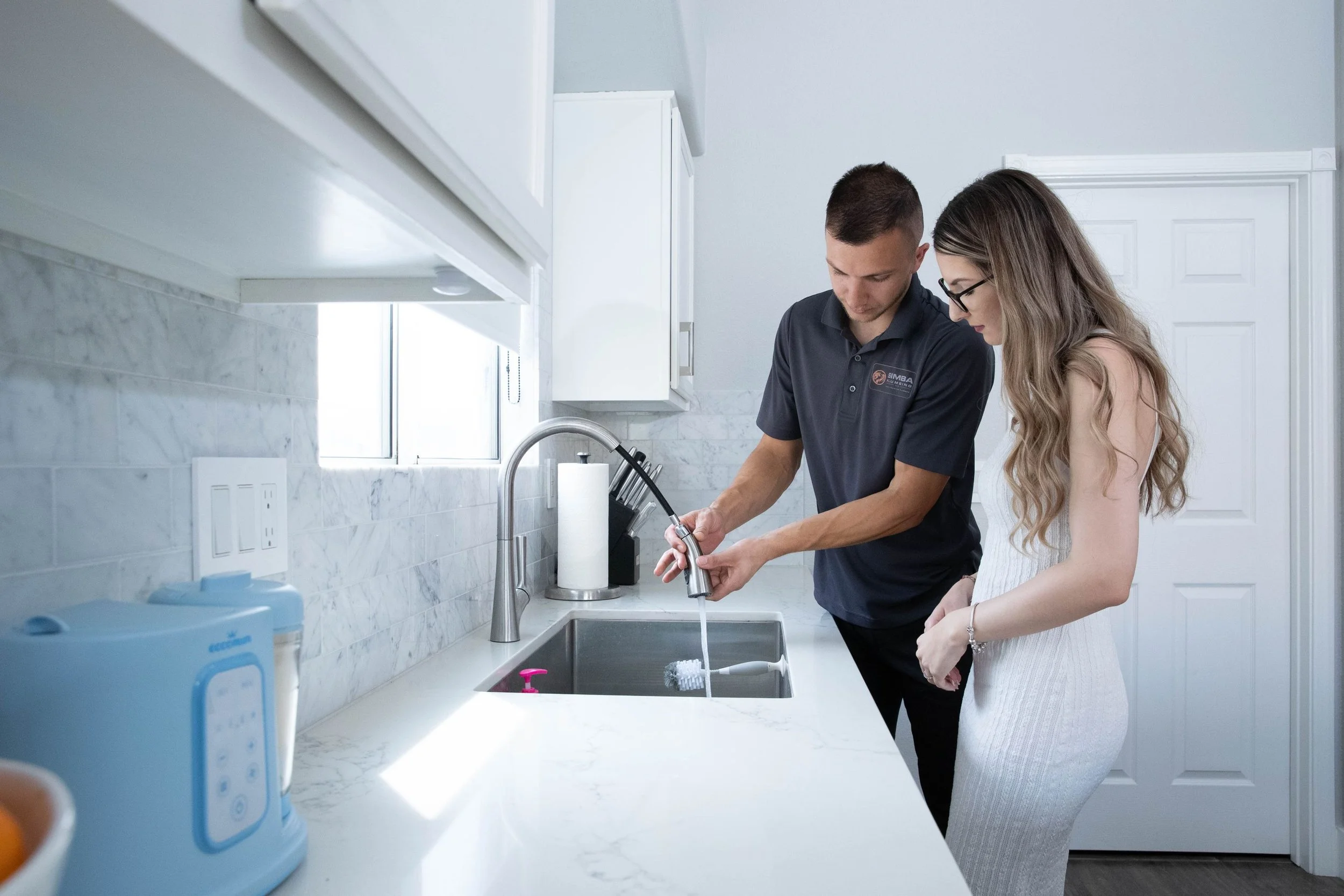
Garbage disposal backups often turn a normal kitchen routine into a messy and frustrating situation. When water or food waste rises back into the sink, the problem usually indicates a blockage or flow restriction in the disposal or the connected drain line. We help Phoenix, AZ, homeowners who notice standing water, slow drainage, or unpleasant odors when the disposal runs, all of which point to an issue that should not be ignored.
Our approach focuses on identifying why waste is no longer moving away from the sink as intended. Backups often develop from compacted food debris, grease buildup, or partial obstructions further down the drain system. Addressing the source is essential because continued use under these conditions can strain the disposal motor, worsen clogs, and increase the risk of water damage beneath the sink.
Homeowners throughout Phoenix, AZ, rely on us for clear explanations and practical solutions when sink backups disrupt daily life. Resolving disposal-related backups restores proper drainage, protects plumbing connections, and helps kitchens return to normal use without ongoing inconvenience or repeated cleanup.
Stop Garbage Disposal Backflow with Our Expert Repair Services in Phoenix, AZ
-
Disposal Chamber Blockage Removal
Sink backups often start when food waste becomes compacted inside the disposal housing. Homeowners usually notice water rising quickly when the unit runs. Clearing internal blockages matters because restoring free movement in the grinding chamber allows waste and water to exit the sink rather than pushing back up.
-
Drain Line Clearing Beyond the Disposal
Backups can occur even when the disposal spins normally if the connected drain line is partially blocked. Homeowners may see slow draining followed by standing water. Addressing downstream clogs matters because clearing the drain path prevents repeated backups and reduces pressure on the disposal motor during use.
-
Grease and Residue Buildup Removal
Grease accumulation inside pipes restricts water flow over time. Homeowners often experience recurring backups after rinsing dishes or running the disposal. Removing residue matters because grease narrows the drain opening, trapping debris and forcing water to reverse direction into the sink.
-
Air Gap and Dishwasher Connection Clearing
Kitchen sinks connected to dishwashers can back up when the air gap or shared drain becomes blocked. Homeowners may notice water spilling near the sink rim. Clearing these connections matters because proper airflow and drainage prevent cross-system backups during appliance use.
-
Disposal Drain Alignment and Flow Correction
Improper alignment or sagging drain sections can slow water movement away from the sink. Homeowners often notice inconsistent draining patterns. Correcting flow issues matters because proper slope and alignment allow gravity to assist drainage, reducing the chance of water backing up into the sink.

Areas we serve
Phoenix, Sun City West, Mesa, Chandler, Gilbert, Glendale, Scottsdale, Peoria, Tempe, Surprise, Goodyear, Avondale, Queen Creek, El Mirage, Fountain Hills, Paradise Valley, Tolleson, Youngtown, Litchfield Park, Cave Creek, Carefree, Sun Lakes, and Waddell

How to Spot Garbage Disposal Backup Issues in Your Sink in Phoenix, AZ
-
A common early sign is water pooling or rising in the sink as soon as the disposal turns on. Homeowners usually expect water to drain away quickly, so visible backup feels immediate and concerning. This matters because rising water indicates a blockage, preventing waste and liquid from moving past it and increasing pressure inside the disposal and connected drain lines.
-
Backup issues often begin subtly, with water draining much more slowly than usual after rinsing dishes or washing food scraps. Homeowners may notice standing water that lingers longer than expected. This sign matters because slow drainage suggests partial obstructions forming, which can worsen quickly and lead to full backups if left unaddressed.
-
Gurgling noises often occur when air struggles to move through a restricted drain path. Homeowners may hear bubbling or churning sounds during disposal use or when running water. This matters because trapped air signals improper flow, which frequently precedes visible backups and indicates developing drainage problems.
-
In some cases, small food particles resurface in the sink after running the disposal. Homeowners often notice debris floating back up instead of clearing away. This sign matters because returning waste confirms the disposal cannot push material through the drain, increasing the risk of repeated clogs and messy overflows.
-
Persistent odors around the sink often accompany backup issues as trapped food waste begins to break down. Homeowners may notice smells even when the disposal is not in use. This matters because odors indicate stagnant material in the system, suggesting restricted flow and ongoing blockages.
OUR REVIEWS
Our goal is to provide the best service and customer experience.
How Eliminating Disposal Backups Prevents Ongoing Sink Frustration in Phoenix, AZ
-
Restored Drain Flow and Daily Sink Performance
Clearing a disposal backup allows water, food waste, and soap residue to move through the drain as intended. Homeowners notice sinks emptying faster and operating without hesitation during everyday use. Reliable flow matters because consistent drainage reduces pressure on pipes and prevents recurring backups that disrupt kitchen routines.
-
Protection Against Hidden Pipe Stress and Leaks
Addressing a backup early helps relieve internal pressure caused by trapped water and waste. Homeowners may not see this stress, but pipes can weaken over time when the flow stays restricted. Reducing that strain matters because it lowers the chance of slow leaks, joint damage, and unexpected plumbing repairs later.
-
Reduced Risk of Repeat Clogs and Odors
Properly resolving a disposal backup removes the lingering debris that often causes repeat clogs and odors. Homeowners benefit from fewer foul odors and fewer sink issues. This matters because leftover waste can harden or stick inside pipes, creating ongoing problems that worsen without thorough attention.
-
Improved Disposal Lifespan and Motor Performance
When a disposal no longer struggles against a blocked drain, the motor operates more smoothly during use. Homeowners may notice quieter operation and fewer interruptions. This matters because reduced resistance helps internal components last longer, supporting dependable performance and delaying the need for replacement.
-
Greater Kitchen Confidence and Peace of Mind
A cleared backup restores confidence when running water or using the disposal during meal prep and cleanup. Homeowners no longer worry about sink overflow or sudden messes. This matters because dependable plumbing supports daily comfort and keeps minor issues from escalating into larger disruptions.
FAQs – Garbage Disposal Backing Up Into Sink Repair in Phoenix, AZ
A backup usually means that food waste or grease is blocking the drain line below the disposal. Reliable repairs clear the blockage, allowing wastewater to flow away instead of rising into the sink basin.
Yes, the curved pipe under the sink can collect debris over time. A quick inspection often confirms whether clearing the trap resolves the backup without larger plumbing work.
Standing water can damage cabinets and cause odors if left unchecked. Prompt service keeps the situation affordable by preventing pipe corrosion, leaks, or damage from spreading beyond the sink area.
Starchy foods, grease, coffee grounds, and fibrous scraps often cling to pipes. Removing buildup restores reliable drainage and reduces the chance of repeat backups.
Yes, dishwasher drain hoses connect to the disposal. A clog in either area can push water back into the sink, making a full drain inspection important.
Most repairs are quick once the blockage location is identified. Simple clogs often clear within a single visit without major disruption to kitchen use.
Phoenix, AZ homes often experience backups due to grease buildup and older drain layouts. Local repair experience helps address these conditions efficiently.
Repeated backups strain the disposal motor and seals. Timely repair protects internal components and supports longer equipment lifespan.
Chemical cleaners may damage pipes and seals. Professional methods provide a more reliable solution by removing buildup without harming plumbing components.
Professional help is recommended when water repeatedly rises, odors persist, or multiple fixtures drain slowly. Local service keeps repairs affordable and prevents plumbing issues from escalating.
For garbage disposal backing up into sink repair in Phoenix, AZ, contact Simba Plumbing for dependable service.
Experienced technicians address backups efficiently, restore proper drainage, and help kitchens return to normal use without unnecessary disruption.