
Proper Water Flow With Expert Drain Installation
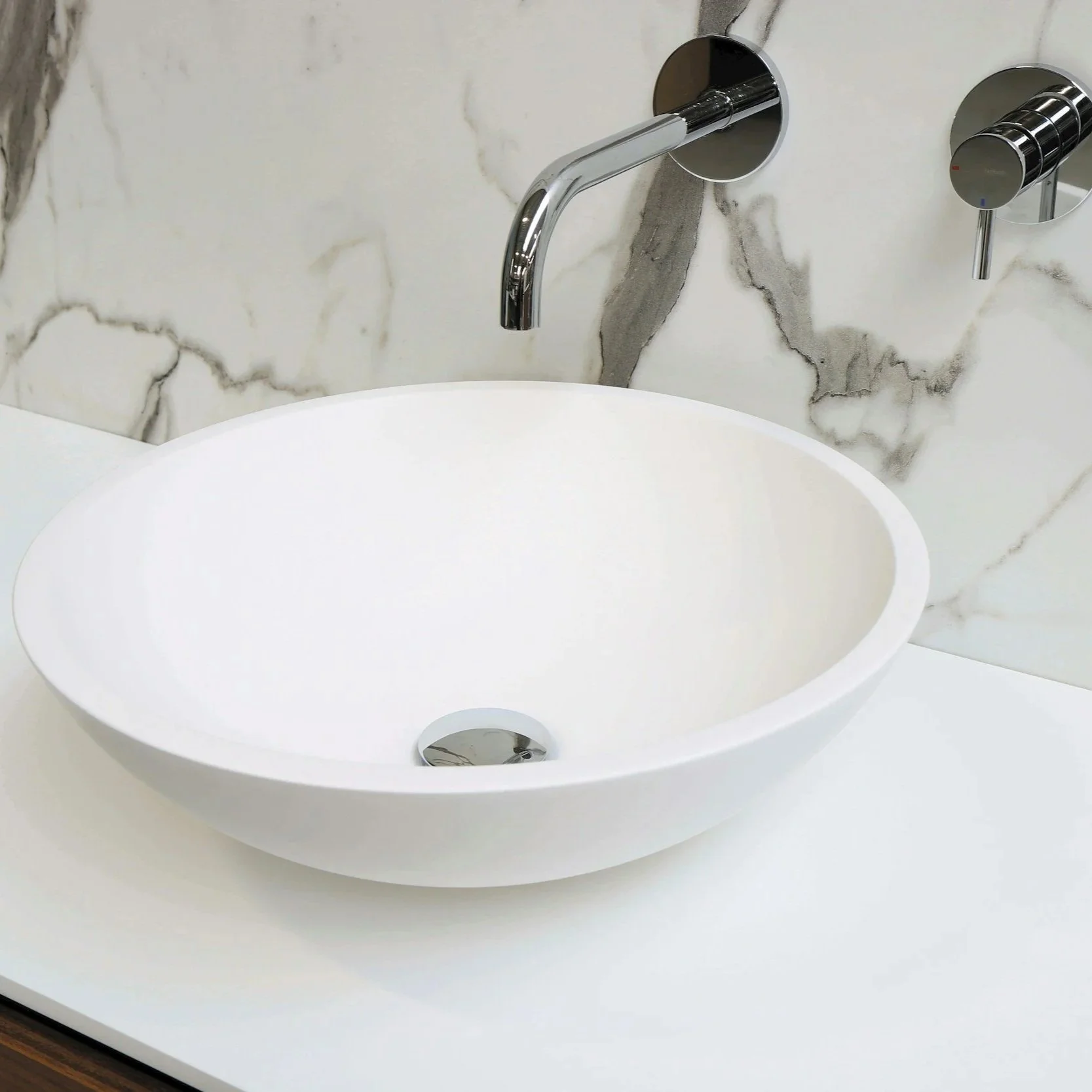
A properly installed drain doesn’t just carry water away—it plays defense against backups, funky odors, foundation issues, and unpleasant surprises under the sink.
Water has a mind of its own. It doesn’t follow polite boundaries or stick to designated routes unless there’s a well-planned system nudging it in the right direction. That’s where expert drain installation steps into the spotlight. Without a proper drain, even the most elegant plumbing setup can turn into a high-maintenance mess.
A properly installed drain doesn’t just carry water away—it plays defense against backups, funky odors, foundation issues, and unpleasant surprises under the sink. It’s easy to overlook because when a drain works well, it stays out of sight and out of mind. But when it’s wrong, the consequences are anything but subtle.
Understanding What A Drain System Really Does
A drain’s job may look simple, but it’s operating within a delicate balancing act. It removes used water and waste, maintains pressure equilibrium in the pipes, and prevents sewer gas from entering the living space. One poorly pitched pipe or a mismatched connection throws everything off.
Expert installation means understanding flow dynamics, venting requirements, and how to navigate a house’s existing infrastructure without creating chaos behind the walls. Drainage isn’t just about slope—it’s about precision. Water moves through the path of least resistance, but if the path sags, twists, or narrows at the wrong place, resistance builds and flow suffers.
When flow slows down, problems multiply. Grease and debris cling to rough pipe walls, clogs build in corners, and standing water becomes a breeding ground for bacteria. The drain might still be technically “working,” but it’s walking a fine line toward a foul-smelling backup.
Choosing The Right Material For The Job
Not all drain pipes are created equal. Plastic, cast iron, copper, and ABS each bring something different to the party. Some are flexible and affordable. Others are quiet, fire-resistant, or built to handle extreme temperatures. Choosing the wrong one doesn’t just affect longevity—it can violate code or lead to leaks and corrosion over time.
Plumbers know which materials work best for each location. A quiet, vibration-resistant pipe may be ideal for an upstairs bathroom, while a rigid, durable drain may be better suited for a commercial kitchen. Certain plastics don’t play well with high heat, and copper can corrode quickly when paired with incompatible materials or exposed to aggressive water.
Compatibility matters. Transitioning between materials isn’t as simple as sticking them together with a band and hoping for the best. There are approved connectors, expansion joints, and sealing compounds for every junction, and skipping any of these steps can create a weak point in the system.
Creating The Perfect Slope
One of the most important parts of drain installation is also one of the least glamorous: the slope. Pipes need to angle downward just enough for gravity to keep water moving—but not so much that liquids outrun solids or cause splashing and air pockets.
There’s a sweet spot in that slope, typically around a quarter inch per foot. Too flat, and water lingers in the pipe, leaving residue behind. Too steep, and water races ahead of solids, which then pile up and start building a clog factory. That perfect angle only happens with experience, planning, and a healthy respect for the laws of physics.
Adjusting the slope isn’t as simple as shimming a pipe and calling it a day. Pipes are anchored, strapped, and cut to exact measurements. The surrounding structure—joists, beams, walls, and cabinetry—all affect where and how the pipe can run. Sometimes it takes creative rerouting or a little demo to create a clear path.
Venting Makes Or Breaks A Drain
A beautifully installed pipe with a perfect slope and premium material means nothing if it doesn’t have proper venting. Vents allow air into the system, preventing vacuum pressure from building up and stopping water from flowing. They also prevent sewer gases from entering sinks and showers.
Without venting, water chugs its way down the drain like someone trying to drink from a straw with a thumb over the top. You might hear gurgling, bubbling, or slurping noises. In worst-case scenarios, one fixture drains and sucks the trap dry in another, leading to smells that could empty a room.
Plumbing codes dictate specific venting requirements based on distance, fixture type, and drain size. A professional knows when to use individual vents, when to share, and when to use air admittance valves as a space-saving alternative. The goal is always the same—smooth drainage without vacuum interference and zero gas leaks.
Securing Long-Term Durability
Drain installations are supposed to last. The entire point is to build a system that can handle daily use, occasional abuse, and years of quiet, behind-the-scenes performance. That only happens when every connection is tight, every joint is sealed, and every hanger supports the pipe without stress or sag.
Professionals use tools such as torpedo levels, inspection cameras, and pipe strap tensioners to ensure nothing shifts over time. They avoid over-tightening plastic fittings, which can crack under pressure later, and apply just the right amount of plumber’s cement, not half a tub.
When drains run under the slab or behind finished walls, the installation needs to be flawless. There’s no convenient way to patch up mistakes once the concrete is poured or the tile is laid. Professional work is double-checked and pressure-tested so homeowners never have to think twice about what lies beneath.
Solving Retrofits Without Causing Mayhem
Replacing or upgrading drains in an older building is rarely straightforward. Original plumbing might have odd sizes, brittle materials, or routes that make no sense by today’s standards. Bringing them up to code without opening a wall like a Christmas present takes creativity, patience, and skill.
Professionals examine what can be saved and what needs to go. They match fittings, upgrade venting, and reroute lines through existing cavities without damaging structural supports. Sometimes a drain has to detour around ductwork or sneak through a joist bay with less than an inch of wiggle room.
The goal in retrofit work is always to improve without disrupting the rest of the home. Quiet saws, vacuum attachments, and smart layout planning keep the mess contained. Once the new drain is installed, everything behind the wall looks better than it did before—even if no one ever sees it.
Connecting Multiple Fixtures Without Chaos
When multiple fixtures feed into the same drain line, things get complicated fast. Kitchens, laundry rooms, and bathrooms all require coordination. One poorly planned connection could cause water from the washing machine to back up into the bathtub or let the dishwasher burp up through a bathroom sink.
Branch drains must meet at right angles, with sweep fittings and cleanouts strategically placed to handle both daily use and future service. Every bend introduces resistance, and every shared line increases the chance of backflow if it’s not sized and sloped properly.
Professionals draw up plans that prioritize flow hierarchy—main lines first, branch lines next, and traps and vents all dialed in for balance. They keep everything labeled and documented, so if maintenance is needed down the road, it doesn’t feel like trying to decipher an architectural escape room.
Keeping Drain Smells Where They Belong
No one wants their kitchen to smell like a forgotten grease trap or their bathroom to smell like a swamp. A well-installed drain system controls odors with properly sized traps, clean vents, and sealed connections that leave nothing to chance.
Traps hold a water barrier between the sewer and the living space. If installed incorrectly—or if they dry out due to poor venting—they let gases back in. Every fixture has a specific trap type and size based on use and pipe diameter. Professionals measure carefully and test each connection for leaks, both water and air.
They also know when to upgrade with modern trap designs that resist siphoning and self-clear small debris. That kind of insight keeps drains operating like silent heroes rather than source material for an air freshener commercial.
Why Cleanouts Matter More Than People Think
Drain cleanouts are like emergency exits. You hope you never need them, but when something clogs deep in the line, they become the difference between a quick solution and a messy excavation.
Cleanouts provide direct access to the pipes without removing sinks, cutting drywall, or crawling under the house. They need to be installed in accessible places with sufficient clearance for a snake or hydro-jet machine. If skipped during installation, service calls down the road become much harder.
Professionals always include cleanouts in the right locations. It’s not just good practice—it’s respect for the property and whoever handles future maintenance. A clean, capped access point keeps everything flowing smoothly and saves hours when clogs show up uninvited.
Making Every Drain Count
From the tiniest lavatory to a high-volume commercial kitchen, each drain deserves attention to detail. Drain installation isn’t glamorous, but it’s one of the most important building blocks of any space with running water. When installed professionally, drains fade into the background—and that’s exactly how they’re supposed to work.
Simba Plumbing is a licensed plumbing company offering, drain installation, drain cleaning, garbage disposal installation and repair, gas line install and repair, and sump pump installation and repair services to customers in Phoenix and the surrounding areas. Ours is a family-owned business providing expert services at competitive pricing. We aim to provide the best customer experience. Call today for an estimate.
